

Anúncios
Buying a car in Europe is often a necessity—but paying upfront is not always realistic. That’s where Car Credit becomes essential. Whether you’re living in Germany, France, or Spain, understanding how Car Credit works can save you thousands of euros and prevent costly mistakes.
This comprehensive guide breaks down everything—from how Car Credit works in Europe to how to get approved, compare offers, and secure the best deal possible.
What Is Car Credit and How Does It Work in Europe?
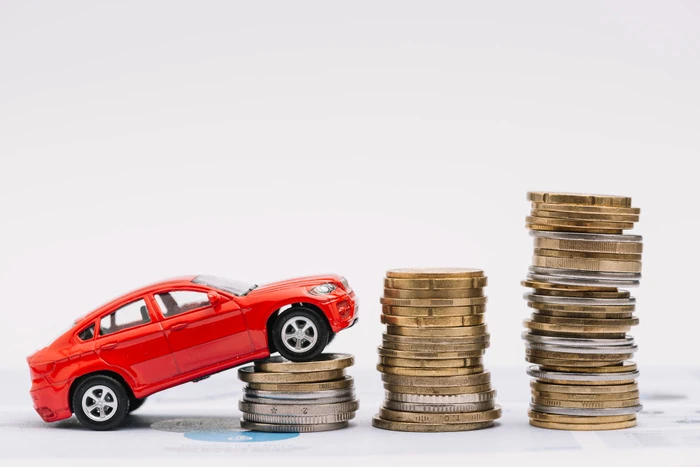
Car Credit refers to a financing option that allows you to purchase a vehicle by borrowing money and repaying it over time with interest.
In Europe, Car Credit typically comes in three main forms:
1. Personal Loans for Car Credit
- Borrow a fixed amount from a bank or lender
- Use it to buy a car (new or used)
- Repay monthly with interest
2. Hire Purchase (HP) Agreements
- Pay a deposit upfront
- Monthly payments over a fixed term
- Ownership transfers after final payment
3. Personal Contract Purchase (PCP)
- Lower monthly payments
- Option to buy, return, or upgrade the car at the end
Each option offers different levels of flexibility and cost. Choosing the right type of Car Credit depends on your financial situation and long-term plans.
Why Car Credit Is So Popular in Europe
The demand for Car Credit has grown significantly across Europe due to several factors:
- High upfront vehicle costs
- Flexible payment structures
- Low interest rates in some EU countries
- Access to better cars without full payment
In countries like Italy and Netherlands, Car Credit is often the preferred way to finance vehicles, especially among young professionals and families.
Types of Car Credit Available in Europe
Bank Car Credit
Traditional banks offer structured Car Credit with competitive interest rates, especially for customers with strong credit profiles.
Dealer Financing
Car dealerships partner with lenders to provide instant Car Credit approvals. While convenient, rates may be higher.
Online Lenders
Digital platforms provide fast approval and comparison tools, making it easier to secure favorable Car Credit terms.
Eligibility Requirements for Car Credit in Europe
To qualify for Car Credit, most lenders evaluate:
1. Credit Score
A strong credit history increases approval chances and lowers interest rates.
2. Stable Income
Proof of employment or consistent income is essential.
3. Residency Status
You may need to be a legal resident in countries like Portugal or Belgium.
4. Debt-to-Income Ratio
Lenders assess your ability to manage additional debt.
Interest Rates and Costs of Car Credit in Europe
The cost of Car Credit depends on several variables:
- APR (Annual Percentage Rate)
- Loan duration
- Creditworthiness
- Country-specific regulations
For example:
- Lower rates are often found in Sweden
- Higher rates may apply in riskier lending markets
Key Tip: Always compare the total repayment amount, not just monthly installments.
How to Get Approved for Car Credit Faster
Improve Your Credit Score
Pay off debts and avoid missed payments.
Save for a Deposit
A larger deposit reduces risk for lenders and improves approval chances.
Choose a Realistic Loan Amount
Avoid overextending your budget.
Prepare Documentation
- ID or passport
- Proof of income
- Bank statements
Best Strategies to Get the Lowest Car Credit Rates
1. Compare Multiple Lenders
Never accept the first offer. Shopping around can reduce your interest rate significantly.
2. Negotiate Terms
Even in Europe, lenders may adjust conditions for qualified borrowers.
3. Shorten Loan Duration
Shorter terms usually mean lower interest overall.
4. Consider Pre-Approval
Getting pre-approved strengthens your negotiating position.
Common Mistakes to Avoid with Car Credit
- Focusing only on monthly payments
- Ignoring hidden fees
- Choosing long loan terms with high interest
- Not reading the contract carefully
These mistakes can turn a manageable Car Credit into a long-term financial burden.
Car Credit vs Leasing: What’s Better in Europe?
| Feature | Car Credit | Leasing |
|---|---|---|
| Ownership | Yes | No |
| Monthly Cost | Higher | Lower |
| Flexibility | Moderate | High |
| Long-term Value | High | Low |
Car Credit is better for those who want ownership, while leasing suits those who prefer flexibility.
Country-Specific Differences in Car Credit Across Europe
Germany
Highly regulated market with competitive rates.
France
Flexible financing options and strong consumer protection.
Spain
Growing market with increasing digital lenders.
United Kingdom
Although no longer in the EU, the United Kingdom remains one of the largest Car Credit markets.
Is Car Credit Worth It in 2026?
Yes—if used wisely.
With rising vehicle costs and evolving financial products, Car Credit remains one of the most practical solutions for car ownership in Europe. However, success depends on:
- Smart planning
- Comparing options
- Understanding the full cost
Final Thoughts on Car Credit in Europe
Car Credit is a powerful financial tool, but only when used strategically. By understanding how it works, comparing lenders, and avoiding common pitfalls, you can secure a deal that fits your budget and lifestyle.
For readers of Euro Finance, mastering Car Credit is not just about buying a car—it’s about making smarter financial decisions in Europe’s evolving economy.
Sources
- European Central Bank
- European Commission
- OECD
